LANSING – The first piece, albeit a tiny one, of efforts to increase funding for transportation cleared a legislative committee Tuesday when the House Transportation and Infrastructure Committee approved legislation changing how the state taxes aviation fuel.
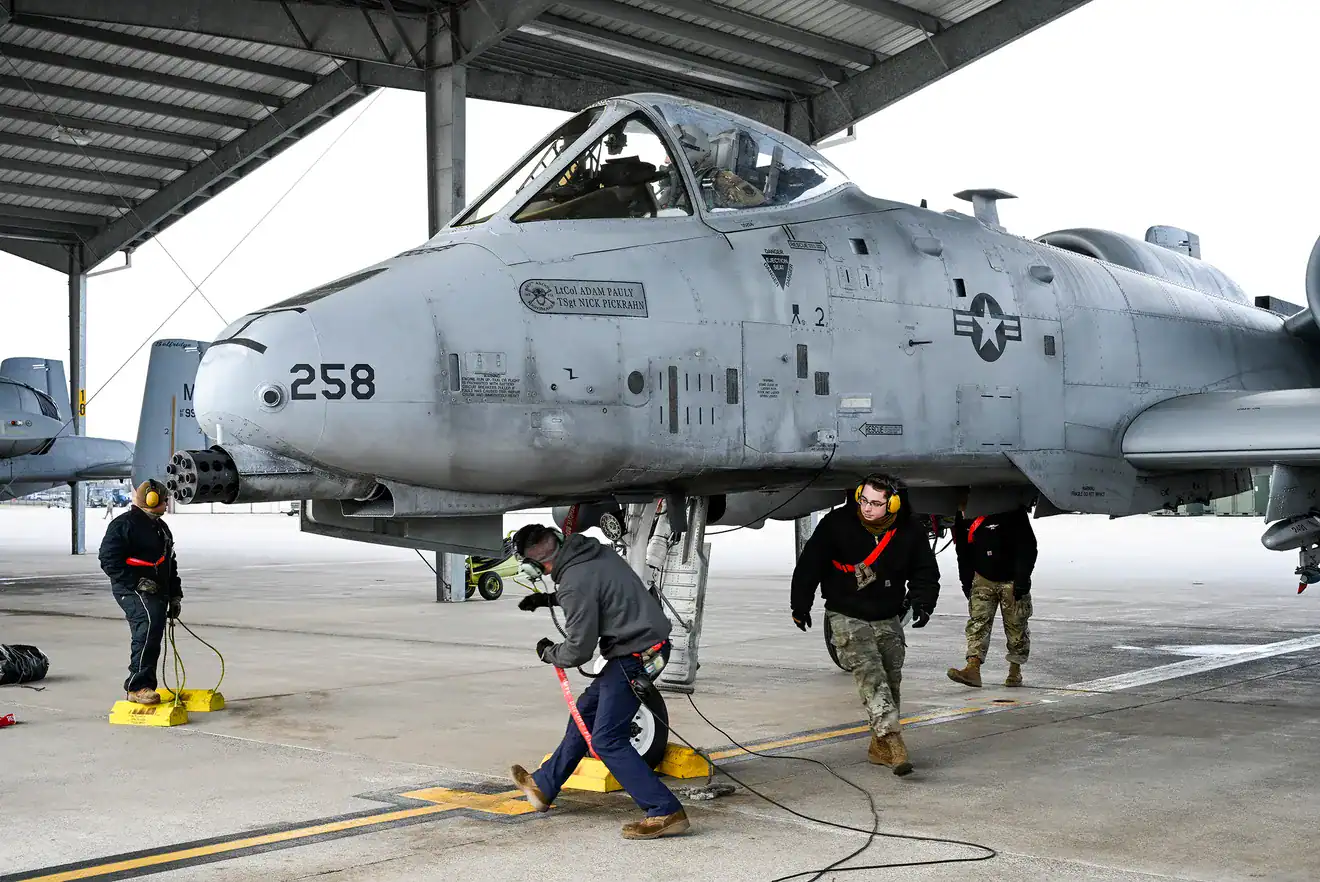
HB 4571 would repeal the 3 cents per gallon tax on aviation fuel and replace it with a new 4 percent tax on the average wholesale price of aviation fuel. HB 4572 would exempt such fuel from the state’s 6 percent sales tax.
Officials said the new wholesale tax would raise $30 million in revenue compared to the $5.7 million the 3 cents per gallon the tax is estimated to raise in the current 2012-13 fiscal year.
The committee approved the bills on 9-6 party-line votes with Republicans in support and Democrats in opposition.
Democrats objected to the hit that schools and local governments – the major recipients of sales tax revenue – would take under the bills. A third bill, HB 4677 , would redirect $55 million that otherwise would go to the General Fund from the sales tax instead to schools to patch the hole created in the School Aid Fund from lifting the sales tax on aviation fuel. But the committee, after discussing the legislation, did not vote on it.
However, the bill does not address the $12 million that local governments stand to lose from the impact of reducing sales tax revenue on revenue sharing. That prompted opposition from the Michigan Municipal League and Michigan Association of Counties. And despite the move to shore up schools, several public school organizations declared their opposition as well.
“These revenue sharing dollars, while they may seem small and insignificant, are vital for us to provide these services,” said Steve Currie, deputy director of the Michigan Association of Counties.
And Rep. Marilyn Lane (D-Fraser), the top Democrat on the committee, called the move “borderline reckless.”
The sponsor of the bill to redirect $55 million to the School Aid Fund, Rep. Phil Potvin (R-Cadillac) said it is an example of a way to improve funding to infrastructure without raising taxes on the public.
“We’re not here to tax our people,” he said. “We’re here to do a better job of performing with the dollars that we have.”
Rep. Wayne Schmidt (R-Traverse City), the committee chair, said work remains on the bill to figure out how to address local governments’ concerns, and he promised to keep revenue sharing whole. But the bills will make a big difference for the state’s airport infrastructure.
“If we can keep our airports in good shape, and this is definitely going to keep them there … that is going to be a major plus for Michigan in terms of international trade and just trade throughout the United States,” he said. “What this is, is a good first start. I know that we’re going to have to continue to work with our Democratic colleagues, but we need to keep some momentum going.”
Schmidt said talks continue on the overall plan to raise $1.2 billion for roads. “A true plan? That is still being worked on,” he said.
SENATE COMMITTEE: The Senate Infrastructure Modernization Committee also met on Tuesday for the first time since mid-March to discuss the way transportation funding is currently broken down but made no declarations as to what an economically sound solution, or solutions, would involve.
David Zin, chief economist for the Senate Fiscal Agency, presented numerous graphs and charts on how much revenue the state acquires from various taxes and how much of that revenue actually goes toward roads. Most of the information was a very detailed version of much of what the committee had already known – revenues are down and expenditures are up. And any major differences, most notably in the 2009 fiscal year, came from stimulus dollars from the American Recovery and Reinvestment Act of 2009.
But when committee members pressed Zin and fellow analyst Joe Carrasco on the one question that everyone has been asking – what has been the best plan you’ve heard about so far – the answer was less straightforward.
“Part of it depends on what you want to more focus on,” Zin told committee members. “Growing revenue streams is one concern, but you have other things you have to trade off against that.”
He said the sales tax for instance, could be a resolution applicable to both Michigan residents and those who visit Michigan. If the Legislature decided to change registration fees in some way that would be revenue that could only be generated by as many Michigan residents as could be applicable. And while there have been plenty of conversations about consumption, “a substantial part of erosion has been inflation and that happens because you have a flat tax over time,” he said.
And then there is the idea of trying to find a way of measuring miles and invoking some kind of fee for those miles, but with that also comes issues of privacy, Zin said.
Sen. John Pappageorge (R-Troy), also the chair of the Senate Appropriations Transportation Subcommittee, reiterated to his fellow committee members that the answer to transportation funding not only involves transportation, but it would also affect school funding and revenue sharing as well.
This story was provided by Gongwer News Service. To subscribe, click on Gongwer.Com