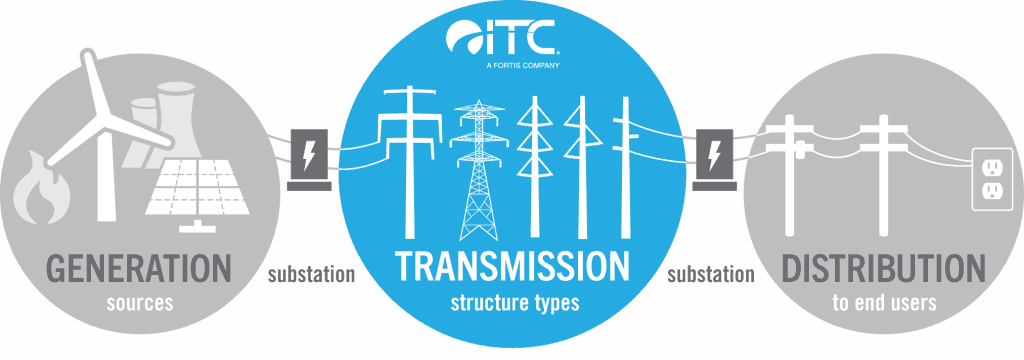
LANSING – Michigan utilities have been trying to limit what they have to contribute to electric transmission development in the region, but new rules initially approved by the Federal Energy Regulatory Commission last week could indicate the state is losing that battle.
FERC adopted for comment new rules that would require beneficiaries of any new electric transmission facilities to pay for them. And the language in those rules mirrors language in a recent ruling on how the Midwest Independent System Operator, of which Michigan utilities are members, would allocate costs of new transmission.
Michigan utilities say the new rules, and the MISO plan, are unfair to the state because they would force Michigan utilities to pay for transmission assets that will never actually carry power to the state. But supporters say the proposed lines would make it easier to get power from lower cost states to Michigan.
Because Michigan represents 20 percent of the power load under MISO, it would have to pay 20 percent of any new transmission projects.
“If we’re going to pay 20 percent of the cost of these new transmission lines, there better be something more than nominal benefit,” said Steve Transeth, a former Public Service Commission member and now a consultant for the utilities on MISO issues.
Transeth said the proposed FERC rules would work for Michigan if it was allowed, as the utilities have requested, to become its own transmission planning region.
“Michigan’s basically an island in that (MISO) and not going to receive any of those benefits coming out of those western states,” he said.
And he said the state is more isolated with First Energy in Ohio switching from MISO to PMJ, another independent system operator. Most of Michigan’s connections to other states flow through First Energy.
But John Jimison, managing director of the Energy Future Coalition, an independent policy group pushing to improve the energy economy nationally, said Michigan would benefit from the new transmission.
Pointing to Michigan’s power prices compared to the rest of the region, he said Michigan would have more opportunity to bring in lower-cost power if there were new transmission lines allowing that power to flow.
The 2008 energy regulations allowed the state to essentially isolate itself from the rest of the country, Jimison said, an assertion the utilities dispute.
“They’re essentially locking in their ability to focus the load in Michigan on their generation,” he said.
But he said allowing Michigan to pull out of Multi-Value Projects, MISO’s transmission development program, would allow other states to petition for the same thing.
With FERC having dropped the rehearing on MISO’s MVP program from its agenda this month, the issue is not likely to be addressed until the commission’s meeting in September.
This story was provided by Gongwer News Service. To subscribe, click on Gongwer.Com
a>>