LANSING ? Legislation before the Senate Technology and Energy Committee would, among other things, require that companies selling electricity in the state maintain a minimum power reserve to ensure reliability of the power supply in the state. But officials with the entities that oversee transmission of power in and around the state told a workgroup on the issue Friday that such policies are more effective on a regional basis.
And they said coming changes to the regional systems will make them even more effective at ensuring power flow.
Ron McNamara with the Midwest Independent System Operator, which controls flow of power between many of the utilities in the Midwest, including those in Michigan, said his organization was implementing a new system in March that would allow it to track the reliability of the power grid at any given point to within about five minutes.
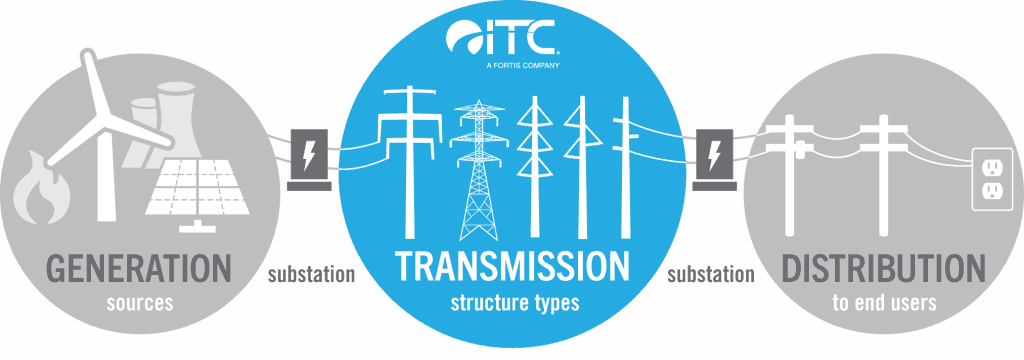
Jim Serlesky with the International Transmission Company, which purchased the transmission system formerly operated by Detroit Edison, noted that some 80 percent of reliability problems and power outages trace back to the local distribution system and the remaining 20 percent are issues with the long-distance transmission system. He said almost none of the blackouts in the last 40 years have been the result of lack of generation capacity.
Both Serlesky and McNamara said the state has no authority over the transmission system, which is regulated by the Federal Energy Regulatory Commission, though Mr. McNamara said the ISO does use a stakeholder group to set policy and that group includes state regulators.
McNamara said the ISO already requires certain levels of reserve power and financial wherewithal from each generator or alternative energy provider looking to put power onto the grid.
The only failing of the current system noted by both McNamara and Serlesky is no control over where plants are built. But McNamara said that issue would be resolved with the ISO’s new monitoring system, because it would allow power to be priced, at least on a spot basis, based on where it is needed. He said in the long term that would give an incentive to either resolve some of the current bottlenecks for power to reduce the cost to move power through them or to build generation on the other side of those bottlenecks.
Serlesky noted that, while the state has added generation capacity in the last couple of years, most of that has been on the west side of the state while much of the growth in demand has been on the east side. And he said the interconnections between ITC and Michigan Electric Transmission Company, which now owns the transmission systems formerly controlled by Consumers Energy, are not always sufficient to allow that power to move through during peak periods.
This story was provided by content partner, Gongwer News Service. To subscribe, click on Gongwer.Com