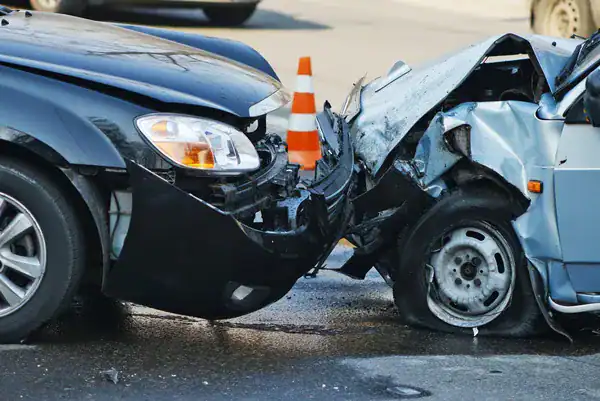
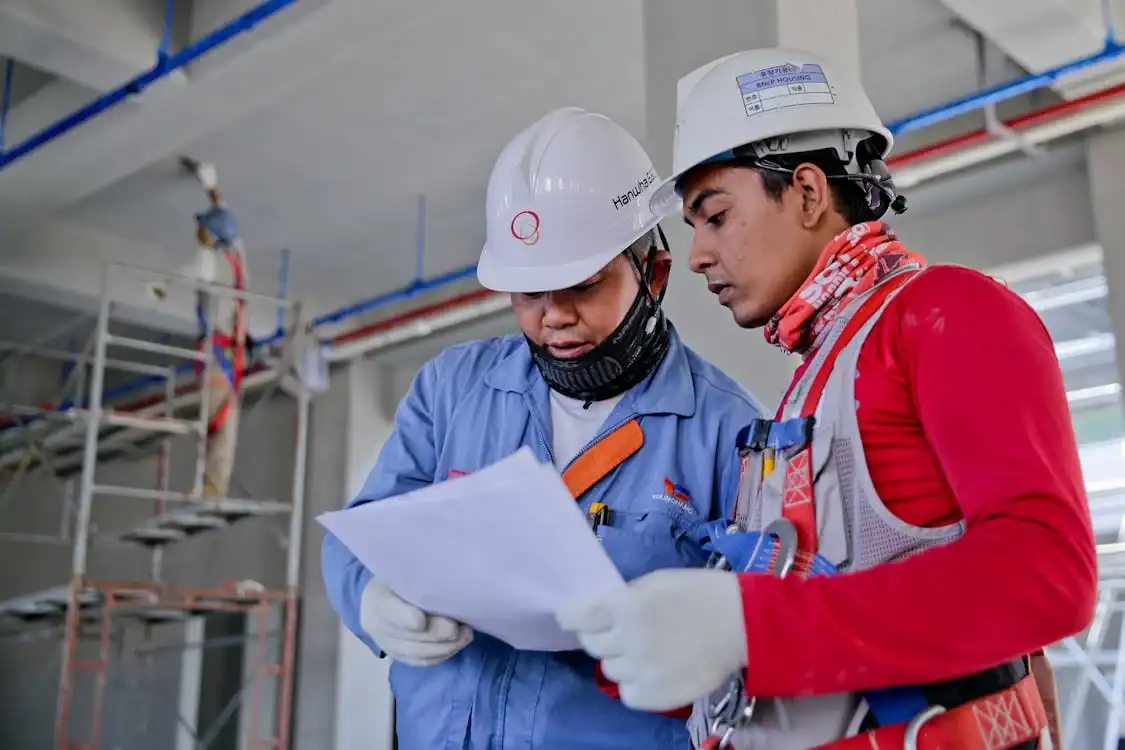
Emergencies occur both in society and in educational institutions around them. Their lives and health depend on the abilities and skills of the participants of the educational process, as well as those people who are nearby at that time.
There are some rules of behavior in various emergencies that you should know and hope that you will never use them. The ability to assess the situation and choose the course of action is essential for every person. Especially for employees of educational institutions. After all, they and the steps can save the students and workers.

What do emergencies lead to?
An emergency is a time when children face protection problems. It can be an armed conflict, a sudden natural disaster, or a terrorist attack. Children risk injury if they neglect the safety rules. An emergency can cause physical and sexual violence. A child can experience severe stress, leading to mental disorders. Children can be separated from their families, illegally involved in some cases, and exploited for child labor. Despite the fact any child is at risk:
- refugee children;
- internally displaced persons;
- stateless children
may be particularly vulnerable. Because of this, it is essential to contribute to increasing the level of child protection.
Child protection policy in schools
Even though education has a positive effect in most cases, it can also become a potential risk for protection. For some children, classrooms can become places that only lead to:
- stress;
- exacerbate injustice;
- discrimination.
One example can be child abuse. It can manifest both in classmates and teachers. In this case, the child will feel stressed every day in a place that should become his place of safety. Thus, child protection organizations must check schools. They should inform them about possible cases of violence against children.
In turn, teachers should also work and improve the system. For this, they can read free essays on child abuse by Studymoose and be informed how to act in various cases. Such examples of essays can help teachers cope with emergencies because they will understand that they are not like that and someone has already experienced such an experience, so they will be able to. Teachers must cooperate and join forces to help children feel comfortable and safe. Any child must have access to quality education so he does not feel abandoned and wrong. To do this, you need to have conversations with children and explain that all children are different, but this is normal. And some other feature is not a sign that there is a place for child abuse.
How emergencies affect education
The longer children are exposed to toxic stress, the greater the risk they will stop learning, and education will cease to be effective. Teachers face the critical task of being able to detect in time when a child is experiencing severe stress or is in danger. Schools can provide children with the necessary help, both psychologically and physically. Such support can help children cope with trauma and stress.
To prevent any stress or children’s injuries, teachers can take several necessary actions. First, educational institutions should conduct briefings and tell children about the instructions for steps in various emergencies. Once in a certain period, it is worth conducting emergency training, which the children will need to learn about. Also, teachers should be aware of some child protection programs and, if necessary, contact them to provide timely help to the child.
How to counter emergencies
It is worth making sustainable decisions and strengthening existing protective factors so that children feel protected both in the short term and in the long term. Many examples show that when children are effectively protected, all other humanitarian efforts are more successful. It also means education. If a child feels protected, he will be able to superior, study, devote more time to teaching, and generally be more motivated. The main thing is to understand that any intervention in protecting a child cannot be abrupt and must be implemented over time and carefully.
In most countries, it is recommended to conduct three fire drills per year and at least one training session on different types of safety in various scenarios, at other times, without warning the participants of the educational process. Such training exercises are essential. Also, to evacuate, children should also be taught behavior and procedures in various emergencies. In addition to training, constant and meticulous attention to safety issues is required.
Conclusion
Therefore, education is a fundamental right for any child regardless of nationality, race, or other features. Thus, the education system and teachers should help students get a chance for a better future and fully develop their potential. For education to be truly beneficial, children must feel safe at school. Looking at the fact that we live in times when various terrible situations are happening in some countries of the world, teachers must continue to help children and ensure their safety. If priority areas of child protection, emergency and education are constantly combined, the school will cease to be an easy place for attacking children or for any dangerous situation.
This article was published by Gabriel Jones