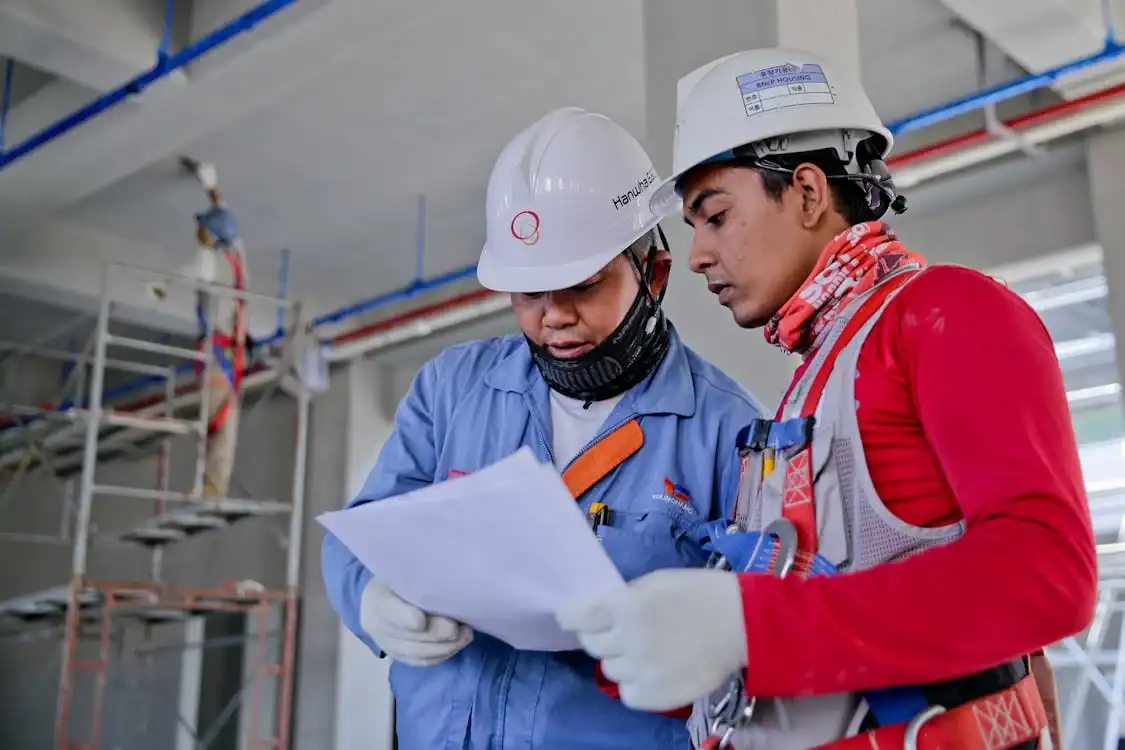
DETROIT – Industrial and organizational psychologists are specialist members of Human Resources teams that focus on the behavior of groups and individuals when influenced by workplace policies, organizational structures, or physical spaces. They are essential members of large corporate HR teams. A postgraduate degree in the field is necessary for people wanting to get into this competitive area of work. Industrial and organizational psychologists find themselves working in several different areas. Here is a quick guide to these important aspects of industrial and organizational psychological work.
Planning HR Policy
One of the most significant modules in any MA in Industrial & Organizational Psychology is usually concerned with the development of effective Human Resources policy. Psychologists use a combination of mass psychological analysis and employee data analysis to develop well-researched policy in the aid of Human Resources. They use psychological profiling to identify the ideal candidates for roles and help HR departments to create groups that work well together. They encourage teamwork and efficiency by creating an environment and hiring policy that reflects the psychological needs of employees as individuals and group members.
Planning Employee Training And Education
Employee training and education programs can have a huge impact on the overall psychological motivation of a workforce. Most business leaders have wised up to the importance of offering consistent training and educational opportunities to promote self-worth, self-growth, and career progression. Industrial and organizational psychologists have a large role to play in the development of training and education programs that benefit the individual and the collective within a workplace. They work in conjunction with HR organizers and strategists to balance their programs between the capability needs of the organization and the personal needs of its workforce. The balancing of competing interests is extremely important.
Developing Dispute Mediation Plans
All businesses have to sensitively and productively handle disputes within the workplace. Psychology can play a large part in the creation of good dispute resolution protocols. All dispute resolution should follow established protocols to prevent any kind of bias from being exerted in the course of an attempted solution. Industrial and organizational psychologists are not just interested in the development of ways to appease people. Instead, they work on the development of protocols that encourage productive discussion between disputing parties.
Organizing Productive Workplaces
Industrial and organizational psychologists are indispensable to business leaders because of their ability to carefully assess and modify the working environment to pursue efficiency. A psychologist might, for instance, study the completion of a project in the workplace. They will use the data they have gleaned from this study to recommend how the physical and digital spaces of a workplace can be changed so that the next project completed is done so in a more efficient manner. They may also look at how the physical space of, for instance, the office, is conducive to different group psychological outcomes. Their goal may well be the creation of a space conducive to psychological fulfillment and productive collaboration.
There you have it, the most important aspects of industrial and organizational psychology.
Author Bio: Content marketing and inbound marketing expert, Steve Conway is passionate about discovering new tech which will enhance his already well-honed digital marketing skills.