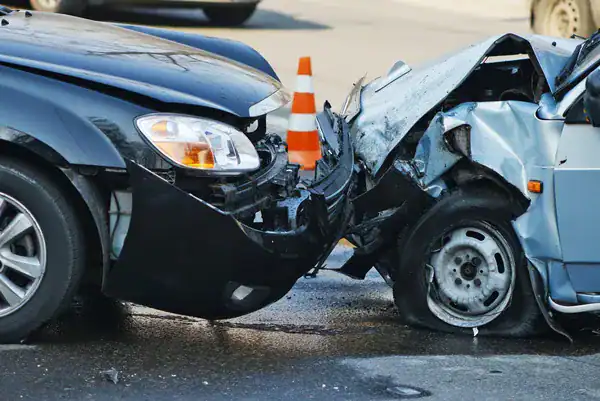
DETROIT – Highway fatalities remain the leading cause of death for young Americans ages 3 to 33, despite ongoing re-engineering to make cars safer. Just recently my daughter was severely injured when another car traveled into her lane, forcing her off the road. She had the protections of a seat belt and airbags, but what if she or the other driver had advanced warning that their cars were on a collision course?
Technology exists that can give drivers that kind of information to help avoid an accident. It?s time that we turn our efforts as much to helping drivers operate their cars more safely as we do to improving the cars themselves. With the loss of more than 40,000 lives each year on American roads, and 1.2 million lives worldwide, it?s time to apply the knowledge we already have to give human beings tools to be safer drivers. Traffic congestion will only increase, and the aging of the US population will mean an increase in older drivers on our roadways.
The success of seat belts shows that drivers will use the safety tools made available to them. Today more than 80 percent of US drivers buckle up, saving an estimated 20,000 lives annually. New, more advanced tools, which use electronics and chip technology, are currently enhancing driver safety, and will soon be used even more extensively, as costs drop, in ways to help alert drivers to traffic hazards, cars traveling too close, or major mechanical failure.
Today some 30 million cars are equipped with event data recorders (EDR), also referred to as ?black boxes,? and the National Highway Safety Administration wants EDRs to be standard equipment starting in the 2009 model year. Car manufacturers use recorders to gather data on how a car performs in the crucial minutes when an accident occurs. Privacy concerns have limited their use until now, but privacy issues are starting to be addressed, and are likely to be resolved soon. The state of California, for example, has legislation requiring disclosure to consumers whenever their cars have data recorders.
Right now, used on a voluntary basis, event data recorders are improving safety while lowering insurance costs. Several insurance companies are offering EDRs to policyholders to reward safe drivers. One Midwestern insurer, for example, provides drivers with recorders to track data, such as mileage, and speed. The individual driver decides whether or not to provide this information to the insurer. If they do, they can receive discounts on their premiums. Norwich Union, a leading auto insurer in the United Kingdom, has 5,000 drivers piloting a ?pay as you go? insurance program, which uses black box technology to collect real-time data on when, where and how often the car is driven. Drivers are then charged premiums based on actual usage, and safer drivers pay less. Although still a pilot program, the insurer is finding that 90 percent of its clients have indicated they want to participate.
Lower insurance premiums are great. So is peace of mind when you are the parents of a teenage driver. To worry less, some parents are installing similar black boxes to monitor their teenager?s driving habits. This way they know just how fast their child is driving.
Most drivers are familiar with global positioning systems, which use technology known as telematics to link drivers with information and safety services. These systems can automatically notify emergency help when an airbag deploys, run remote diagnostics of the engine, and even provide driving directions. The research firm, Gartner Group, estimates that by 2006 there will be 16 million cars on the road with GPS. The use of telematics in automobiles, however, is only beginning As costs drop, and privacy protections are put in place, more advanced telematics will be available in cars at all price ranges. Some of the safety tools likely to be used in cars over the next few years, include:
A monitor for drowsiness. Falling asleep at the wheel on long, solitary trips is a hazard that can be minimized with the help of a monitor, which detects when a driver starts to fall asleep and then engages the driver in activities and games through an interactive computer to keep him or her alert and safe.
Advanced warning of serious mechanical problems, such as tire failure or brake malfunctions, that can lead to accidents.
Sensors that alert drivers to hazards up ahead, in their blind spots, or in the road beyond the scope of headlights.
Sensors that activate when the driver is traveling too close to another car, or too fast for road conditions.
With advanced safety tools, we can reduce highway death and injury, and give drivers greater peace of mind. Finally, the road ahead looks a lot brighter.
William Luse is IBM?s Senior State Executive for Michigan