What Causes Uber Accidents?
 Ridesharing has been growing in popularity over the last decade, with the rise of companies such as Uber and Lyft leading the industry. Although ridesharing helps many people get around safely, unfortunately, accidents can and do happen while riding with Uber. In these cases, determining responsibility is not always straightforward and can be complicated by different jurisdictions and legal considerations, so it is advised to speak to an Uber accident lawyer in Atlanta.
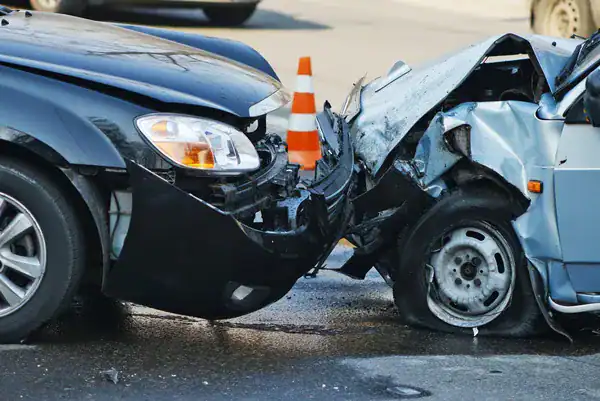
The drivers behind the wheel of Taxis, Limousines, and Uber vehicles play a major role in the safety of their passengers and other drivers. Uber drivers may be negligent if they are driving recklessly or in violation of traffic rules and regulations. Injuries from accidents can range from minor to life-threatening, and the driver that caused the accident may be held responsible for any damages incurred by the victim.
Common causes of accidents include:
- Speeding
- Tire blowouts
- Drunk or impaired driving
- Driver distraction/texting while driving
- Backing up without looking/yielding the right of way
- Failing to yield/obey traffic laws or signals
- Unfamiliarity with roads or navigation devices
- Failure to take necessary precautions when adverse conditions are present (heavy rain, ice, etc.)
Other factors that can contribute to a car accident include:
- Negligent maintenance (worn tires, lack of proper repair)
- Tailgating other vehicles
- Aggressive driving such as lane changes without warning
All drivers have a duty to pay attention on the roads and drive responsibly. If a driver fails to observe these responsibilities it could result in an accident causing injury or death. Any negligent behavior by an Uber driver should not be ignored – it is important to contact a personal injury lawyer if you have been involved in an accident so that your legal rights can be protected properly.
Who is Liable for Injuries?
Laws differ between states, and since rideshare companies are relatively new, many of the laws governing injury liability in these types of accidents are still evolving. In some states, Uber may be held liable if their driver was negligent; in others, drivers may be held liable for their own negligence but not for accidents caused by another party.
Additionally, many insurance companies now provide coverage specifically for ridesharing companies that can help protect both drivers and passengers from financial loss due to motor vehicle collisions.
The following is a brief overview of liability issues related to Uber accidents:
- Drivers: Depending on state law and insurance coverage, drivers may be held responsible for damages they inflict—even if they’re not found at fault—either through their own personal auto insurance or through their employer’s coverage.
- Company: Generally speaking, injury claims stemming from motor vehicle collisions involve what’s referred to as “vicarious liability.” Under this theory of law, the company owning or leasing the vehicle takes responsibility for any injuries inflicted by its driver—regardless of fault.
- Other Drivers: The degree of fault attributed depends heavily on the jurisdiction, but other drivers involved in a collision with an Uber vehicle will typically be held equally accountable.
- Passengers: Passengers injured in IRSU accidents directed by negligent driving behavior will likely receive full compensation regardless of whether the other driver poses any personal liability.
Factors That Determine Liability
First, the court system will require a determination of whether or not the Uber driver was acting as an employee or an independent contractor when driving. If Uber demands certain procedures, such as regular car inspections, and has control over what vehicles/drivers they accept and how they drive passengers, then they may be considered an employer. However, if the driver maintains control over their driving activities with no oversight by Uber, then they may be considered an independent contractor.
Other factors that factor into a court’s decision include:
- Traffic laws – such as whether or not speed limits were observed.
- Applicable insurance policies.
- Statutes governing negligence that each driver must follow when on the road.
Conclusion
In the event that you are injured in an accident involving an Uber driver, the liable party will depend on the circumstances of your case. That said, it is typically the driver who is at fault for an Uber-related injury accident, as drivers are classified as independent contractors and not employees of the company. However, the company may be found liable if its negligence played a role in the accident or if it failed to exercise reasonable care with regard to its drivers.
No matter what circumstances surround your injury case, you should contact a personal injury attorney if you are ever injured in an Uber-related incident. An experienced attorney can help review your case and guide you in finding out who is liable for any injuries or damages that occurred as a result. They can also represent your best interests throughout the legal process and help you receive proper compensation for any losses or expenses related to your incident.
This article was provided by Mad Jack.