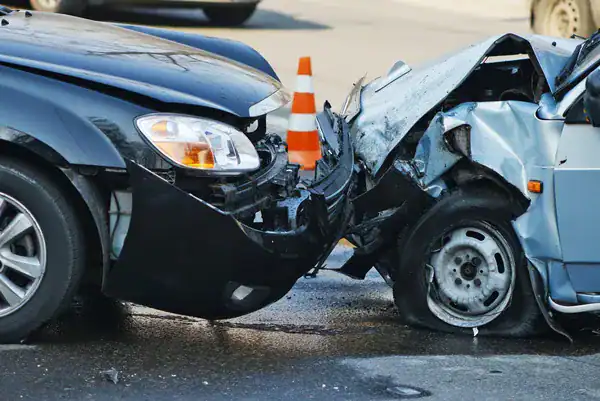
The rise of autonomous vehicles has been a harbinger of great excitement and speculation, garnering public and private attention. Autonomous vehicles may revolutionize our travel, reducing the need for manual driving and potentially reducing traffic accidents. But with this rise comes questions about liability in the case of personal injury. Who will be held responsible when an autonomous vehicle crashes or causes loss of life?
The Role of Negligence in Personal Injury Claims
Negligence is the failure to exercise reasonable care that results in harm or injury to another person. In personal injury cases, negligence plays a crucial role in determining whether or not a defendant is liable for damages. Four elements of negligence must be established: duty of care, breach of duty, causation, and damages.
- The duty of care refers to the legal obligation to take reasonable steps to prevent harm from occurring.
- Breach of duty occurs when a person fails to meet their legal obligation and causes harm.
- Causation requires proof that the defendant’s breach of duty was the direct cause of the plaintiff’s injuries.
- Finally, damages refer to the losses suffered by the plaintiff due to their injuries.
In cases involving autonomous vehicles, determining liability for personal injury can be complex due to multiple parties potentially being involved, such as manufacturers or software developers, in addition to drivers themselves. It is crucial for those involved in accidents with autonomous vehicles to seek guidance from an experienced personal injury attorney who can help navigate these complexities and determine who may be responsible for their injuries and subsequent damages.
Liability for Autonomous Vehicle Accidents
When it comes to accidents involving autonomous vehicles, determining liability can be a complex process. Generally, there are three categories of potentially liable parties:
- Manufacturers of autonomous vehicles may face liability if there is evidence that a defect in their product caused the accident. However, proving liability on the part of manufacturers can be tricky since many factors could contribute to an accident.
- Owners or operators of autonomous vehicles may also face liability if they were negligent in maintaining or operating their vehicles. For example, a driver may fail to update the autonomous vehicle’s software, or they may fail to maintain the vehicle properly.
- Finally, other drivers or third parties involved in an accident may also share some level of responsibility for any resulting injuries or damages. This could include pedestrians who may have unexpectedly walked into a self-driving car’s path, causing an accident.
Ultimately, determining liability for accidents involving autonomous vehicles will depend on carefully examining and analyzing all relevant evidence and circumstances surrounding each case.
The Legal Challenges of Autonomous Vehicle Accidents
One of the biggest legal challenges in determining liability for autonomous vehicle accidents is defining who or what is responsible. With traditional vehicles, the driver is typically liable for any accidents they cause. However, the line between human error and technical malfunction can be blurred when it comes to self-driving cars.
Who should be held accountable when an accident occurs due to a programming error or sensor malfunction? This question becomes even more complicated, considering that some autonomous vehicles are owned by ride-sharing companies or used in commercial fleets.
Another challenge in determining liability for autonomous vehicle accidents is navigating state and federal regulations surrounding these technologies. Different states have varying laws regarding self-driving cars, and there are currently no uniform federal standards in place. This makes it difficult to establish clear guidelines for insurance companies, law enforcement officials, and courts to follow when assessing fault in an accident involving autonomous technology.
Conclusion
Overall, as more self-driving cars hit the roads, we can expect ongoing discussions around these legal challenges and how best to address them. As technologies evolve rapidly, lawmakers must keep pace with new advancements and ensure that regulatory frameworks remain relevant and effective over time.
This article was provided by Amy Carr